
- Updated February 24, 2026
- 9-minute read
- Reviewed by Affordable Diabetic Direct Editorial Team
⚡ Quick Answer
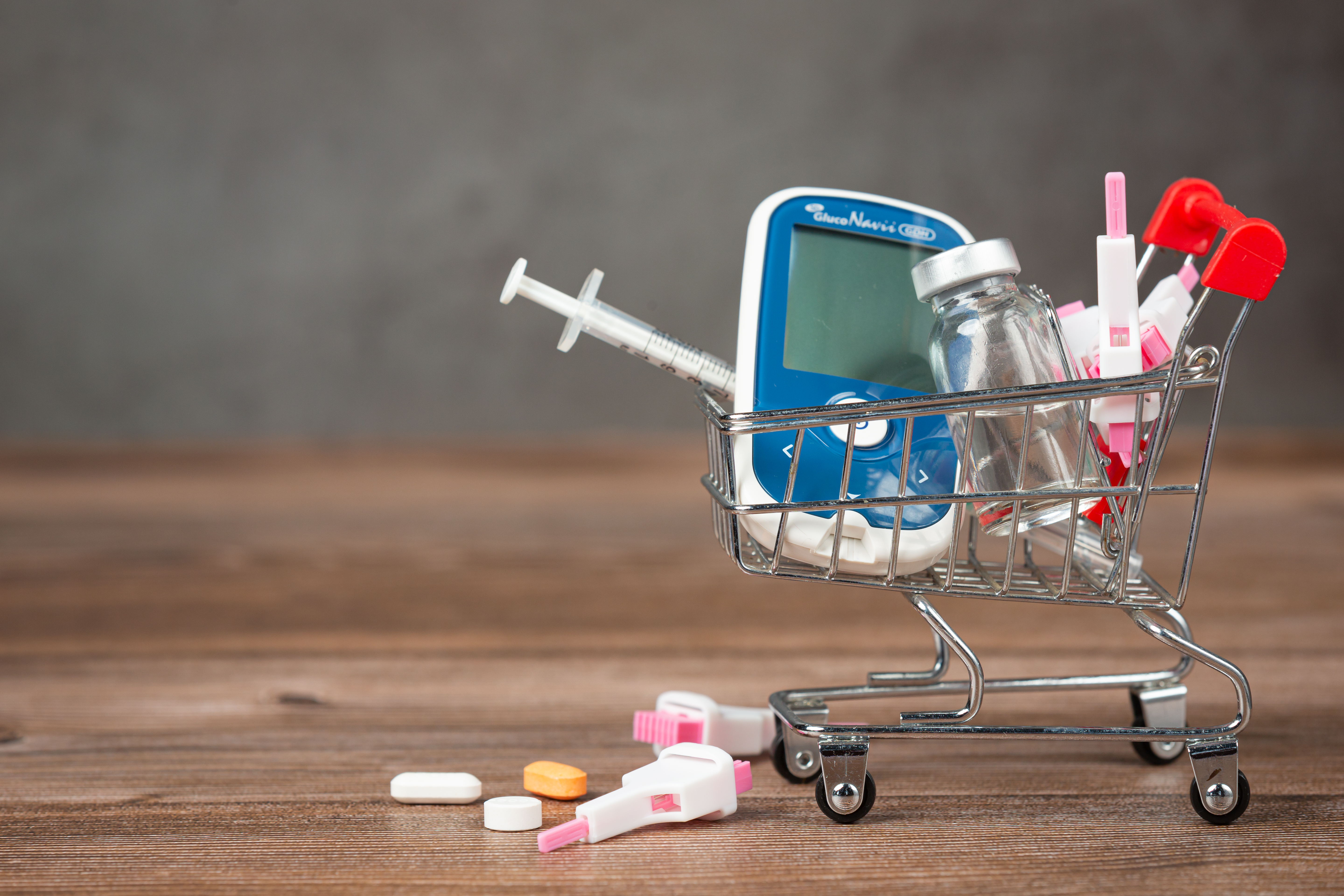
Living with diabetes often comes with an unspoken challenge — balancing health management with the financial burden of ongoing supplies. From test strips to sensors, insulin pumps to glucose monitors, the recurring costs add up quickly.
The Real Cost of Diabetic Care in 2026
Diabetes is one of the most expensive chronic conditions in the U.S. According to the CDC, the average diabetic spends over $16,000 annually on healthcare, with a large portion going to supplies. Here’s what monthly costs can look like:- Test Strips: $50–$150
- Continuous Glucose Monitor (CGM) Sensors: $100–$300
- Lancets and Pen Needles: $10–$40
- Insulin Pumps & Accessories: $250–$600
- Alcohol Swabs, Sensors, and Tapes: $10–$25
Step 1: Understand Your Local Buying Options
When searching for “affordable diabetic supplies near me,” there are generally three main sources to explore:1. Local Pharmacies and Clinics
Most pharmacies like CVS, Walgreens, and Rite Aid stock diabetic essentials — but their retail markups can be higher. Still, they’re ideal for urgent purchases and those needing immediate refills. Pros:- In-person customer service
- Insurance billing options
- Pharmacist guidance on compatibility
- Higher prices than online
- Limited brand options
- No bulk or subscription discounts
2. Medical Supply Retailers (Independent or Chain)
Many cities have independent or franchise-owned medical supply stores that sell diabetic items. They often work directly with insurance or offer cash discounts. Pros:- Specialized diabetes expertise
- More product variety
- Loyalty discounts or local promotions
- May require prescriptions
- Variable inventory
- Limited digital ordering
3. Verified Online Retailers
In 2026, most people save the most money buying online. Websites such as Affordable Diabetic Direct partner with legitimate distributors to offer FDA-approved supplies directly to consumers — often 30–60% cheaper than in-store. Pros:- Nationwide shipping
- Transparent pricing
- No insurance required
- 30-day return policy
- Requires online payment setup
- Shipping times (1–3 days)
Step 2: Compare Local and Online Pricing
Price comparison is the key to savings — but it’s not just about finding the lowest number. Here’s a sample price comparison (as of early 2026):| Product | Local Pharmacy | Online (Affordable Diabetic Direct) | Savings |
| FreeStyle Lite Test Strips (100 ct) | $72 | $47 | 35% |
| Dexcom G7 CGM Sensor | $145 | $110 | 24% |
| OneTouch Delica Lancets (100 ct) | $14 | $8 | 43% |
| BD Pen Needles (90 ct) | $32 | $21 | 34% |
Step 3: Look for Community and Local Health Programs
Not all affordable diabetic supplies come from retail. Many community health programs, clinics, and nonprofits help bridge the affordability gap.Programs Worth Exploring:
- Local Health Departments: Offer occasional free diabetes screenings and supply vouchers.
- Community Health Centers: Often partner with suppliers for reduced-cost CGMs and test strips.
- Nonprofits and Faith-Based Groups: Programs like Insulin for Life or JDRF sometimes provide free resources.
- Pharmacy Discount Cards: Use platforms like GoodRx or SingleCare to reduce prescription-based supply costs.
Step 4: Know Which Products Are Essential (and Which Aren’t)
When it comes to diabetic management, clarity matters. Here’s a breakdown of what you need versus what’s optional — to help you prioritize your spending.| Essential Supplies | Why You Need Them |
| Test Strips / CGM Sensors | Core for blood glucose monitoring |
| Lancets / Pen Needles | Required for daily insulin administration |
| Alcohol Swabs / Adhesive Wipes | Reduces infection risk |
| Meters / Readers | Displays accurate glucose readings |
| Batteries / Chargers | Keeps devices functioning |
| Optional Supplies | Purpose |
| Decorative Patches / Skins | Cosmetic, not essential |
| Premium Carrying Cases | Organizational, but non-medical |
| Advanced Bluetooth Accessories | Convenience features, not critical |
Step 5: Evaluate Supplier Credibility
When buying diabetic supplies, especially online, always assess the legitimacy of the seller.Key Trust Signals to Look For:
- U.S. Business Address (not a P.O. Box)
- SSL Encryption (https://) for checkout pages
- Transparent Return Policy (30 days minimum)
- Published Terms and Conditions
- Customer Reviews and Testimonials
Step 6: Save More with Smart Shopping Strategies
If you’re searching “affordable diabetic supplies near me,” here are proven strategies to reduce costs year-round:1. Buy in Bulk
Order three-month supplies at once. This reduces per-unit pricing and minimizes repeated shipping fees.2. Set Subscription Refills
Many suppliers now allow automatic reordering — helping you lock in current rates before prices rise.3. Compare Brands
Generic diabetic supplies, like glucose meters or lancets, often perform comparably to name brands but cost 25–40% less.4. Use Coupons and Promo Codes
Sign up for supplier newsletters to access monthly discount codes or loyalty points.5. Track Expiration Dates
Buy items with long shelf lives to prevent waste. Reputable suppliers typically sell only sealed, unexpired items to ensure product safety.Step 7: Local Pickup vs. Online Delivery
If you’re in urgent need, combining local pickup and online orders can provide the best of both worlds.When to Choose Local Pickup:
- Immediate need for insulin or strips
- Short-term emergencies
- Prescription-dependent items
When to Choose Online Delivery:
- Restocking supplies monthly
- Bulk orders (strips, lancets, CGM sensors)
- Consistent, predictable pricing
Step 8: How Insurance and Out-of-Pocket Costs Compare
Many people assume insurance automatically provides the best pricing. That’s not always the case. In 2026, an increasing number of diabetics choose cash-based suppliers because:- Insurance limits brand choice
- Deductibles remain high
- Out-of-pocket prices online are often lower
Step 9: Explore CGM Options and Local Education Programs
Continuous Glucose Monitors (CGMs) — like Dexcom, FreeStyle Libre, and Guardian Connect — offer real-time glucose tracking. But they’re also among the most expensive supplies. Local hospitals and diabetic educators often host CGM training and savings workshops, teaching patients how to:- Properly apply and remove sensors
- Interpret glucose data
- Apply manufacturer rebate programs
Step 10: Avoid Common Buying Mistakes
Even experienced buyers make errors that waste money or compromise safety.Top Mistakes to Avoid:
- Buying from unauthorized sellers or auctions – may lead to expired or counterfeit products.
- Ignoring return policies – only buy from companies offering a transparent 30-day return option.
- Not checking packaging integrity – crushed or opened boxes can impact product safety.
- Over-ordering short-expiry products – stock rotation matters for long-term cost savings.
- Falling for “too cheap” listings – if prices seem unrealistically low, verify authenticity first.
Key Takeaways: Making Smart, Local Decisions
| What to Do | Why It Matters |
| Compare local & online prices | Avoid retail markups |
| Verify supplier legitimacy | Prevent counterfeit products |
| Use subscription options | Secure long-term discounts |
| Check expiration & packaging | Ensure product safety |
| Explore community programs | Access additional aid |
Frequently Asked Questions
What should readers know about affordable diabetic supplies near me to avoid common mistakes?
Avoid unverified sellers, always check expiration dates, and confirm that your supplier offers FDA-compliant products. Stick with reputable suppliers that clearly outline policies and sell sealed, manufacturer-approved items.
How can I be sure the supplies I buy locally are safe?
Do online diabetic supply stores deliver faster than local pickups?
Yes. Most reputable sites process orders within 24 hours. Many reputable suppliers offer quick nationwide delivery, making online ordering convenient for busy patients.
Can I buy CGM sensors online without insurance?
Medical Disclaimer: Affordable Diabetic Direct is not a licensed medical provider and does not offer medical advice. Always consult your healthcare professional before making changes to your diabetes care routine.
Conclusion: Affordable Diabetic Supplies Are Closer Than You Think
Managing diabetes doesn’t have to mean draining your savings. By understanding your local options, comparing prices, and shopping from verified suppliers, you can access safe, affordable diabetic supplies anytime — no matter where you live.
In 2026, affordability and accessibility go hand in hand — and platforms like Affordable Diabetic Direct are leading the way in helping patients take control of both their health and their finances.
Explore reputable suppliers like Affordable Diabetic Direct to compare verified, low-cost diabetic supplies delivered safely to your door.